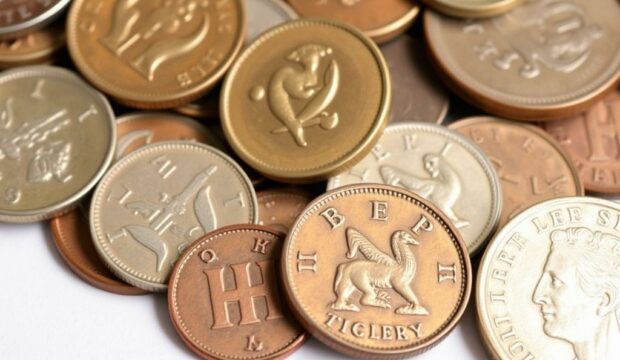

Finding an old best coin identifier app in a drawer can feel like discovering a tiny time capsule. Before you rush to sell or clean it, take a measured approach. Coin values hinge on several precise factors—identity, condition, rarity, and market demand—and a few careful steps will help you arrive at a sensible estimate. This guide walks you through the process, from basic identification to selling options, with practical tools, resources, and tips to avoid common mistakes.
Start with Identification: What Coin Do You Actually Have?
Identification is the foundation. Note the obvious: country, denomination, date, and any lettering. Look for mint marks (small letters indicating where the coin was struck) and unusual symbols. If the date is worn away, other features—portrait style, reverse design, or inscriptions—can still reveal origin. Photograph both sides under good light; a clear image will help with research and any future valuation requests.
Key physical attributes to record
Some attributes require simple measurements or observations. Record the coin’s diameter and weight if possible, note the edge type (reeded, plain, lettered), and try to determine metal composition—silver, gold, copper-nickel, bronze. Use a loupe or magnifier to examine fine details and detect mint marks often tucked near the portrait or date. These small signs can make a large difference in value.
Tools you should have on hand
- Soft cotton gloves to avoid fingerprints
- 12x or 20x loupe for close inspection
- Digital caliper or ruler for diameter
- Digital scale for weight (sensitive to 0.01 g if checking precious metals)
- Neutral, shadow-free lighting and a camera or smartphone
- Soft tray or cloth to work on
Assess Condition: Why Grading Matters
Condition—or grade—is often the single biggest driver of value. Collectors pay premiums for unblemished surfaces and sharp details. Coins are graded on a scale that ranges from Poor to Mint State; even small differences can multiply a coin’s price. Learn to separate surface wear from damage like scratches, rim nicks, or cleaning marks—damage can destroy value faster than normal wear.
Basic grading categories
| Grade | What to Look For | Impact on Value |
|---|---|---|
| Poor to Fair | Heavily worn, date and details barely visible | Lowest value, often only metal value |
| Good to Fine | Major designs visible but worn, lettering clear | Modest collector interest |
| Very Fine to Extremely Fine | Moderate to light wear, most detail remains | Solid market demand |
| About Uncirculated to Mint State | No wear or only trace wear; crisp details | Highest premiums |
How to spot damaging cleaning
Cleaning is the enemy of many old coins. Harsh polishing removes the natural surface (patina or toning) and leaves hairline scratches or an unnatural shine that collectors hate. Look for streaks, brushed surfaces, or a bright, mirror-like finish on a coin that should be duller. If you suspect cleaning, it’s safer to leave the coin as-is and consult an expert.
Research Rarity and Demand
Two coins with identical dates can have wildly different values because of rarity or collector demand. Rarity stems from low mintage, high attrition (many lost or melted), or unique minting errors. Demand can be driven by historical significance, popular series, or market trends. Research both supply and demand: a scarce coin in a popular series will likely fetch more than a scarce coin few people collect.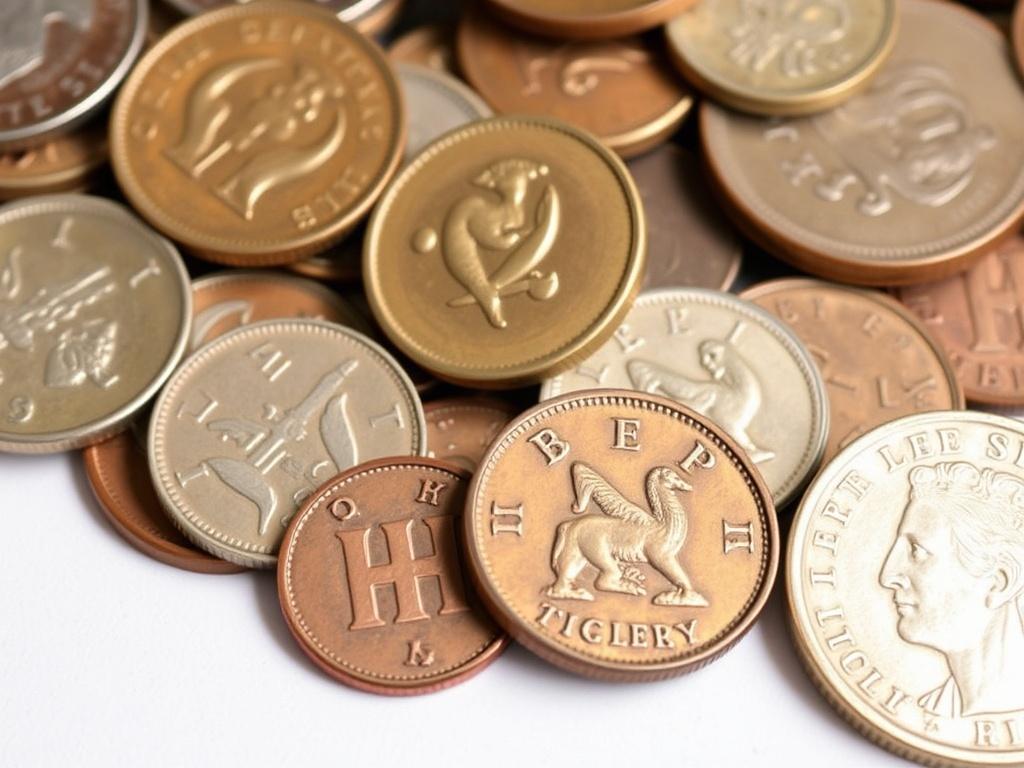
Where to look for reliable data
- Standard reference books (e.g., Red Book for U.S. coins, Krause catalogs for world coins)
- Online price databases (PCGS, NGC, Heritage Auctions)
- Completed auction results and recent sales on platforms like eBay (filter for sold items)
- Numismatic forums and collector communities for anecdotal trends
- Local coin dealers for regional market insights
Use Price Guides—but Understand Their Limits
Price guides offer quick estimates, but they’re not gospel. Guides list typical retail or book values for various grades, providing a ballpark figure. However, published prices are based on recent averages or ideal market conditions. Individual sales can fall above or below these numbers depending on the coin’s pedigree, exact grade, and buyer interest at the time of sale.
How to interpret price guide entries
Match the entry carefully: country, year, mint mark, and grade. If you can’t determine an exact grade, compare multiple grades in the guide to see where your coin fits. Use guide prices as one input among many—cross-check with auction results and dealer listings to refine your estimate.
Authentication: When to Seek Professional Help
Counterfeits and altered coins exist, especially for high-value items. Signs of forgery include mismatched metal weight, incorrect edge, or design details that don’t align with known examples. If you suspect your coin might be valuable—or if you find something unusual like a mint error—get professional authentication. Reputable services (PCGS, NGC, ANACS) offer grading and encapsulation that add trust and often increase marketability.
When to submit to grading services
- The coin is rare or potentially worth several hundred dollars or more.
- Details are crisp enough that an authoritative grade might fetch premiums.
- You plan to sell through auctions or want insured documentation of authenticity.
Practical Workflow: Step-by-Step Checklist
Here’s a compact workflow to follow when you find an old coin. It keeps the process organized and minimizes errors that harm value.
- Handle with gloves and photograph both sides.
- Record visible details: country, date, denomination, mint mark, inscriptions.
- Measure diameter and weigh the coin; note the edge type.
- Assess condition and look for damage or cleaning signs.
- Consult price guides and recent auction results for comparable coins.
- Search online marketplaces for sold listings, not current listings.
- If doubtful or potentially valuable, consider professional authentication.
- Decide whether to hold, sell to a dealer, consign to auction, or list privately.
Selling Options and Strategies
Once you have an estimate, choose a selling route that matches your priorities: speed, price, or convenience. Each option has trade-offs. Dealers provide quick sales but buy at wholesale prices. Auctions and consignments reach collectors prepared to pay premiums, but fees and wait times apply. Private sales and online marketplaces can return strong prices if you can present clear photos and documentation.
Pros and cons at a glance
| Method | Speed | Potential Price | Costs/Drawbacks |
|---|---|---|---|
| Local coin dealer | Fast | Lower (wholesale) | Possible variable offers; less exposure |
| Auction house / consignment | Moderate to slow | High (collector bids) | Seller fees, waiting period |
| Online marketplaces (eBay) | Moderate | Variable | Listing fees, shipping risks, buyer disputes |
| Private sale to collector | Variable | Potentially high | Requires outreach and negotiation |
Storage, Insurance, and Record-Keeping
Whether you keep the coin or sell it later, proper storage preserves value. Use inert holders like mylar flips or coin capsules; avoid PVC plastics that can cause damage. Keep a documented record with photographs, provenance notes, purchase receipts, and any grading certificates. For valuable collections, discuss insurance with your provider and consider a safe deposit box for the rarest pieces.
Simple storage checklist
- Hold coins by the edges, not the faces.
- Store in dry, temperature-stable conditions.
- Avoid humidity and direct sunlight to preserve toning.
- Keep a digital and physical inventory with images and notes.
Common Pitfalls and How to Avoid Them
Many coin owners unintentionally reduce value through cleaning, poor storage, or relying on a single price source. Avoid chemically cleaning a coin, even with household remedies. Don’t assume that visible tarnish equals low value—sometimes natural toning adds desirability. Finally, don’t accept the first low offer; consult multiple dealers or auction results to understand what your coin might realistically fetch.
Quick do/don’t list
- Do: Photograph, research, and compare sold prices.
- Don’t: Clean or polish an old coin yourself.
- Do: Consider professional grading for high-value pieces.
- Don’t: Rely solely on catalog values—use market data.
When the Value Is More Than Money
Some coins carry historical or sentimental weight that exceeds market price. A wartime coin, a family heirloom, or a coin from a particular era might be worth preserving for reasons beyond dollars. Weigh emotional value against potential sale proceeds; sometimes retaining a meaningful piece matters more than turning it into cash.
Useful Resources and Next Steps
Build a small library of dependable references. For U.S. coins, the Guide Book of United States Coins (Red Book) is a staple. Krause’s Standard Catalog covers world coins. Online, PCGS and NGC provide population reports and recent auction prices. Join a local coin club or online forum to learn from experienced collectors. If you’re unsure about authentication or high-value sales, consult a certified dealer or submit the piece to a reputable grading service.
Conclusion
Checking the value of old coins is a mix of careful observation, informed research, and smart decisions. Start by identifying and documenting the coin, assess its condition with patience, cross-reference price guides and auction results, and seek professional authentication for potentially valuable pieces. Avoid cleaning, store coins properly, and choose a selling path that fits your goals. With a steady, methodical approach you’ll avoid common traps and arrive at a realistic value—often with pleasant surprises along the way.
Специально для модного журнала о красоте, здоровье, отношениях и уюте в доме www.stilnos.com


Leave a Comment