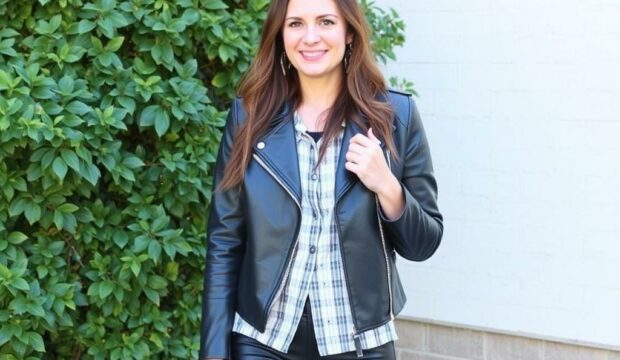

Leather is one of those fabrics that feels at once timeless and thrilling, like a secret code for confidence. Whether it’s a buttery jacket that hugs you in all the right places or a pair of boots that click across the pavement announcing your arrival, leather has a way of transforming an outfit — and often the person wearing it. This guide is for people who love leather, are curious about trying it, or want to wear it more intentionally. You’ll find practical tips about fit, texture, and care, plus outfit ideas for every season and occasion. Think of this as your friendly mentor on the journey to rocking leather from head to toe without ever feeling like you’re dressed for a costume party.
I’ve structured this article so you can wander through the style basics, learn about different leather pieces by body area, compare types of leather, and pick up sustainable and care tips that make your pieces last. I’ll share how to mix leather with other fabrics to create balance, and how to dress leather up or down depending on the moment. The goal is to help you feel confident and creative — because leather is as much about attitude as it is about fabric. Ready? Let’s start at the top and work our way down.
Why Leather Works: A Quick Look at What Makes It Special
There’s a reason leather has been used for centuries: it’s durable, warm, and ages beautifully. Leather can be soft and supple or structured and rugged, and it comes in finishes that can read classic, edgy, luxe, or utilitarian. A single leather piece can anchor an outfit, adding texture and depth. It reflects light differently than cotton or wool, offering a subtle sheen that catches the eye. Beyond aesthetics, leather also serves practical functions — natural breathability, wind resistance, and longevity when cared for properly.
But leather is a statement, too. It signals confidence. That doesn’t mean every leather look must shout; lean into the subtle versions if you prefer a quieter vibe. We’ll explore how to balance statement pieces with everyday wear so that wearing leather feels natural, wearable, and most importantly, fun.
Understanding Leather Types: Choose What Fits You
Leather isn’t one thing. The look, weight, and performance change dramatically depending on the animal hide, tanning process, and finish. Picking the right type of leather is the first step in creating comfortable, stylish outfits.
Common Leather Types
Here’s a simple table to compare common leathers and how they behave in clothing and accessories.
| Leather Type | Characteristics | Best For |
|---|---|---|
| Full-grain | Most durable, develops patina, retains natural texture | Premium jackets, bags, shoes that age beautifully |
| Top-grain | Sanded to remove imperfections, softer, slightly less durable | Refined jackets, handbags, interior trims |
| Genuine leather | Lower layer of hide, more affordable, less uniform | Budget-friendly items, trend pieces |
| Suede / Nubuck | Soft, velvety surface; prone to staining and water marks | Shoes, jackets, accessories for a softer look |
| Patent leather | High-gloss finish, shiny and smooth | Dress shoes, statement accessories |
| Vegetable-tanned | Environmentally friendlier tanning, natural aging | Bags, belts, artisanal pieces |
How to Choose Leather Based on Item and Lifestyle
Different leathers suit different uses. If you want a jacket that you’ll wear daily and hand down someday, full-grain or top-grain is worth the investment. For a suede boot you only wear in dry weather, the look may outweigh the need for hardcore durability. Patent leather is eye-catching for evenings but less forgiving in casual or rainy contexts.
Consider maintenance: some leathers require frequent conditioning, while others can handle a little neglect. If your life is busy and messy, choose robust options and protective finishes. If you enjoy the ritual of care — cleaning, conditioning, and watching pieces age — choose leathers that respond well to that love.
Head-to-Toe Leather: A Section-by-Section Roadmap
There’s an easy way to conceptualize a full-leather look: break it down by area — head, upper body, lower body, feet, and accessories — and make deliberate choices within each. Below I walk through each zone with styling tips and pairing ideas.
Head: Hats, Caps, and Hair Accessories
Leather headwear can be subtle or bold. A small leather detail, like a headband or hair clip, injects texture into your look without dominating it. On chillier days, a leather cap or baker boy hat adds polish and an attitude upgrade. For a sleek evening look, consider a leather turban-style headband or a thin leather slip that keeps hair in place while adding shine.
Tips:
- Keep proportions in mind: a thick leather headband pairs well with loose hair or an updo; a slim band suits short hairstyles.
- A leather baseball cap reads modern and sporty — balance it with soft fabrics like cashmere or cotton so it doesn’t overwhelm the face.
- For patterned or brightly colored outfits, choose headwear in a neutral leather color like black, tan, or deep brown.
Upper Body: Jackets, Blazers, and Tops
If there’s one leather garment that has earned iconic status, it’s the leather jacket. But don’t box yourself into just bikers and bombers. Leather blazers, shirt-jackets (shackets), trench-inspired coats, and even cropped tops are all stylish options.
Styling tips:
- Choose a silhouette that suits your body and lifestyle. A fitted biker jacket is classic and structured; an oversized shacket offers relaxed chic.
- Layer thoughtfully. Leather is dense and can trap warmth; place breathable layers like cotton tees or silk blouses underneath.
- Mix textures: pair a leather blazer with a soft knit or a silk blouse to prevent the outfit from feeling too cold or hard-edged.
Consider color. While black and brown remain staples, deep olive, burgundy, and navy leather pieces can feel fresh and wearable without feeling trendy.
Lower Body: Pants, Skirts, and Shorts
Leather pants have an instant fashion-forward energy, but the trick is fit and proportion. Too tight and rigid, and they can look uncomfortable; too baggy and the look can lose polish. Mid-rise straight or slightly tapered legs often strike the best balance.
Skirts in leather — pencil, A-line, or midi wrap styles — act as excellent anchors for both casual and dressy looks. A leather skirt paired with a chunky knit or crisp button-down is effortlessly chic.
Shorts are playful and can feel modern when paired with tall boots or sneakers. For winter, leather leggings layered under a coat can provide both warmth and attitude.
Hands and Arms: Gloves and Sleeves
Leather gloves are both practical and stylish. A pair of long, wrist-hugging gloves in black or deep brown elevates coats and dresses in cold weather. Short gloves with interesting seams or color blocking are great for daytime looks.
If you like drama, look for gloves with long cuffs that peek from under jacket sleeves, or texture contrasts that tie into your outfit palette.
Feet: Boots, Shoes, and Sandals
Shoes are one of the easiest places to make leather both functional and fashionable. Boots — ankle, mid-calf, and knee-high — are perennial favorites. A sturdy leather boot grounds casual looks and complements more formal outfits. Leather sneakers bridge the gap between comfort and chic.
When selecting leather footwear, prioritize fit and comfort. Quality leather molds to your feet over time, but a bad fit will not fix itself.
Key points:
- Match the shoe leather finish to your ensemble: matte leathers read more casual, patent leathers more formal and dressy.
- For long wear, look for stacked soles and sturdy stitching.
- When wearing several leather pieces at once, vary the textures to create visual interest.
Accessories: Bags, Belts, and Small Touches
Accessories are where you can experiment. A leather bag is a classic, but consider smaller leather pieces like coin purses, watch straps, or camera straps for a subtler leather language. Belts are powerful—they can cinch waistlines and create focal points. Leather jewelry, such as choker-style necklaces or braided bracelets, adds depth without heavy effort.
Pro tip: If you’re wearing leather elsewhere, choose an accessory in a different shade or finish to avoid everything blending into a single block of material.
Putting It Together: Outfit Ideas and Combinations
Let’s turn these elements into outfits. Below is a compact table of head-to-toe outfit ideas for different occasions — each uses leather thoughtfully.
| Occasion | Head | Upper | Lower | Feet | Accessories |
|---|---|---|---|---|---|
| Casual weekend | Leather baseball cap | Denim shirt, leather shacket | High-rise straight leather pants | White leather sneakers | Crossbody leather bag |
| Office smart | Minimal leather headband | Leather blazer over silk blouse | Tailored wool trousers | Leather loafers | Leather belt, structured tote |
| Night out | Statement leather hair clip | Fitted leather corset top | High-waist leather skirt | Stiletto leather boots | Clutch in patent leather |
| Festival or concert | Bandana with leather accents | Graphic tee under leather vest | Leather shorts | Chunky leather ankle boots | Studded leather belt, small backpack |
Tips for Layering Leather
Layering around leather pieces calls for balance. Because leather is denser than most fabrics, prioritize breathability and contrast. Combine leather with knits, linens, silk, or cotton. A leather jacket over a cotton hoodie reads casual; over a crisp shirt it feels refined. Keep proportions in mind — if your leather piece is fitted, allow other pieces to be more relaxed to avoid the “wrapped too tight” look.
Seasonal Leather: What Works When
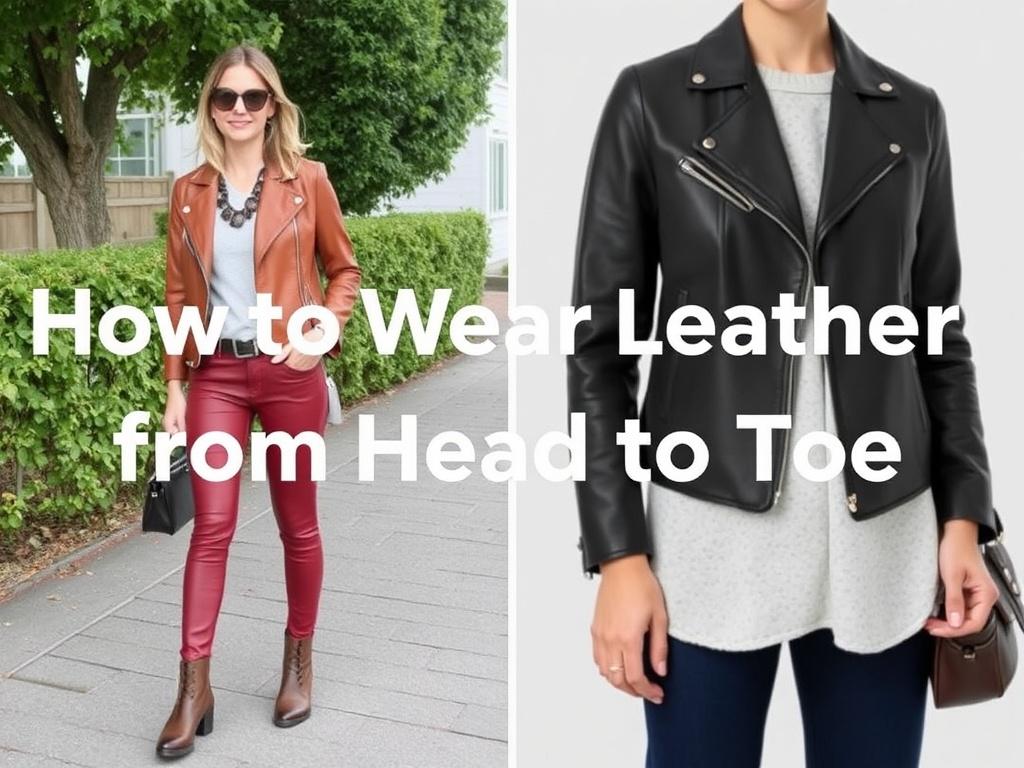
Leather is surprisingly versatile across seasons if you select the right pieces and weights.
Spring and Summer
In warmer months, choose lightweight leathers like lambskin or perforated options for breathability. Leather skirts, shorts, and sandals can be paired with cotton tees or loose linen shirts. Keep color lighter — tan, caramel, or white leather pieces feel airy. For evening chills, a thin leather jacket or a short bolero can be perfect.
Fall and Winter
Thicker hides and lined pieces shine in cold weather. Leather coats, trench-style leathers, and boots are ideal. Layer with knits, wool, and cashmere for warmth. Don’t shy away from darker hues; they’re classic and practical for winter.
Care and Maintenance: Make Leather Last
Buying leather is an investment, and the best returns come with care. Different leathers require different upkeep, but here are universal guidelines.
- Keep leather dry. Water can stain or warp certain finishes. If it gets wet, blot and air dry away from direct heat.
- Condition periodically. Use a leather conditioner suited to the type of leather to prevent drying and cracking.
- Store properly. Hang leather garments on wide, padded hangers. Keep leather bags filled with tissue to retain shape. Avoid plastic bags that trap moisture.
- Use protective sprays for suede and nubuck to repel light moisture and stains.
- For deep stains or structural damage, seek a professional leather cleaner.
Quick Care Checklist
- Wipe down regularly with a soft cloth.
- Apply conditioner every 6–12 months for most leathers.
- Use suede brush for suede items and follow with protective spray.
- Treat salted slush stains by blotting and using a vinegar solution only if recommended for that leather type.
- Avoid prolonged sun exposure to prevent fading.
Ethics, Sustainability, and Alternatives
Leather raises valid ethical and environmental questions. Animal hides are a byproduct of the meat industry in many cases, but tanning and production processes can be chemically intensive. If these concerns matter to you, there are pathways to more responsible choices.
Options:
- Seek vegetable-tanned leathers, which use fewer harmful chemicals and develop a beautiful patina over time.
- Buy secondhand or vintage leather pieces — they’re often better made and extend the life of existing resources.
- Explore recycled leather and plant-based alternatives like mushroom leather, pineapple leather (Piñatex), and lab-grown leathers — these vary in look and feel but are improving rapidly.
- Support brands that are transparent about sourcing and tanning practices.
Remember: style and ethics can coexist. Making a few mindful choices — like investing in one high-quality leather piece rather than many fast-fashion items — reduces waste and increases long-term satisfaction.
Mixing Leather with Fabrics: Balancing Texture and Tone
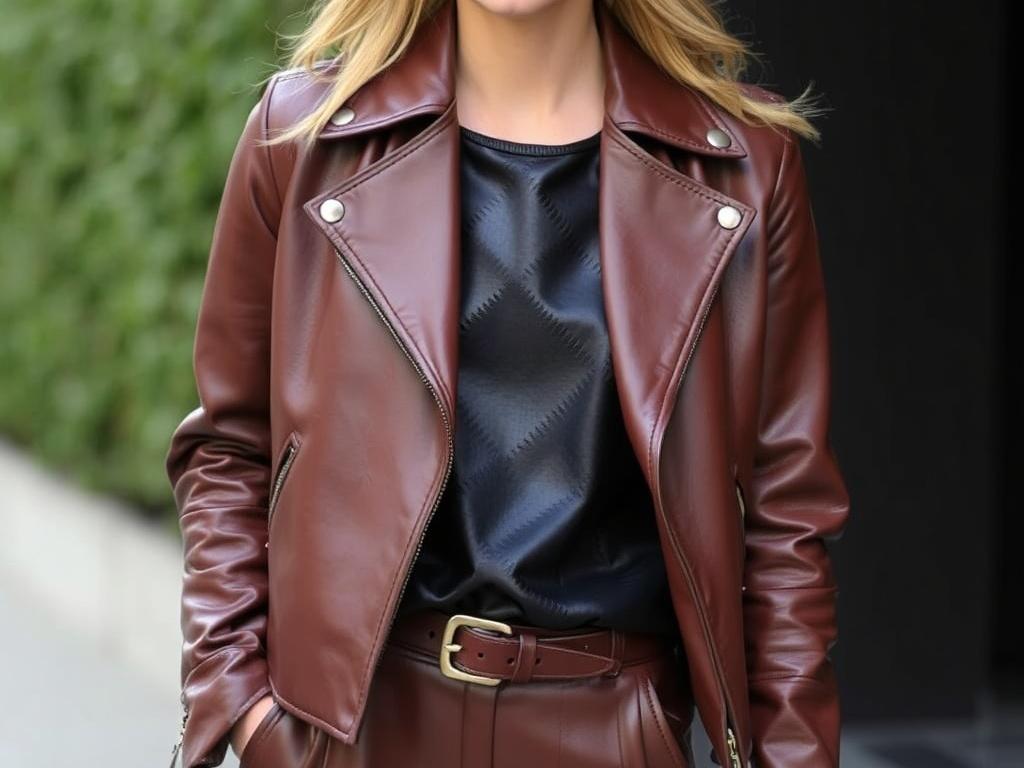
One of the easiest ways to wear leather without feeling overdone is to mix it with softer, more casual fabrics. Leather paired with knitwear, denim, silk, or cotton creates a pleasing tension — the soft and the tough balancing each other.
Examples:
- Leather skirt + oversized cashmere sweater + sneakers.
- Leather blazer + silk camisole + straight-leg jeans + loafers.
- Leather shorts + linen shirt + flat sandals for breezy summer style.
When mixing, keep the color palette cohesive. Neutral tones like beige, navy, olive, and cream play well with leather’s natural shades. If you want to use bold colors, limit them to one or two pieces so the outfit doesn’t feel chaotic.
Fit and Tailoring: The Secret to Looking Polished
Fit matters more than anything else when it comes to leather. Because leather retains shape differently than fabric, the right tailoring can make an expensive piece look bespoke and flattering.
Guidelines:
- Jackets should allow room for a light layer underneath but not billow. The shoulder seam should sit at the edge of your shoulder.
- Pants should skim the body. If they’re stiff, a slightly looser cut can be more forgiving.
- Shorts and skirts should allow movement — walking and sitting should feel comfortable.
- Consider getting leather hemmed or tapered by a professional who knows how to work with the material.
Tailoring leather is a serviceable, worthwhile investment for pieces you plan to wear often.
Shopping Guide: What to Look For and What to Avoid
When shopping for leather, use your senses and common sense.
Checklist while shopping:
- Smell: Genuine leather has a distinct, rich scent. Chemical or plastic smells can indicate synthetic materials or poor tanning processes.
- Feel: Touch the leather. It should feel like skin, not like plastic. Avoid pieces that feel overly waxy or sticky unless that’s the intended finish.
- Stitching: Look for tight, even stitches. Loose threads and uneven seams are red flags.
- Lining: A quality lining contributes to comfort and longevity. It should be smooth and well-attached.
- Hardware: Check zippers and buckles. They should feel solid and look finished.
Avoid impulse buys of trendy leather items you won’t wear more than a few times. Instead, invest in staples — a versatile jacket, a well-made pair of boots, or a structured bag.
Styling Rules and Creative Tips
To wear leather well, follow a few simple rules — and feel free to break them creatively.
Practical rules:
- Balance is everything: If one piece is very bold, keep other elements understated.
- Vary textures: Mix matte with glossy, suede with smooth, to avoid a one-note look.
- Mind the occasion: Leather can be casual or dressy; choose silhouettes and finishes that match the event.
- Layer for comfort: Leather can trap heat; thinner base layers help regulate temperature.
Creative ideas:
- Monochrome leather looks with varying shades and finishes create a sophisticated, uniform effect.
- Contrast rugged leather with delicate jewelry for a chic juxtaposition.
- Use small leather accents — like a hat band, wrist strap, or pocket detail — to introduce leather into an outfit without committing to a full piece.
Occasion-Specific Advice
Leather can work for almost any setting if handled thoughtfully.
- Work: Choose structured leather items in neutral colors and combine them with tailored pieces. A leather blazer over a silk blouse is office-appropriate in many creative or business-casual environments.
- Evening: Opt for sleeker, polished finishes like patent leather or glossy boots. Minimal accessories keep the focus on your silhouette.
- Outdoor: Sturdy, weather-resistant leathers and well-made boots are practical and stylish for outdoor activities.
- Travel: Choose versatile pieces that can be dressed up or down, and think about leather’s warmth. Lightweight pieces work best for layering in varied climates.
DIY and Customization: Make Leather Your Own
If you enjoy personalization, leather responds well to DIY alterations. Dyeing, adding studs or patches, changing hardware, and custom stitching are ways to make a piece uniquely yours. Always test on a hidden area first and consult a professional for structural changes. For a softer update, swap lining, add pocket details, or replace buttons and zippers.
Mistakes to Avoid
Learning from common missteps will save you money and frustration.
- Avoid buying leather that’s too cheap without inspecting quality; it may peel or crack quickly.
- Don’t wear all-black leather in heat without breathable layers — you’ll be uncomfortable.
- Skip the temptation to match every leather shade exactly; intentional contrasts look more sophisticated.
- Resist the urge to over-accessorize; leather itself is a strong element and often needs less embellishment.
Packing Leather for Travel
Packing leather requires a bit of strategy so pieces don’t lose shape or get damaged.
Packing tips:
- Wear your bulkiest leather items on the plane to save suitcase space and reduce creasing.
- Use tissue paper to stuff bags and shoes to maintain form.
- Keep jackets on hangers and lay them flat across the top of your suitcase or carry them in a garment bag.
- Bring a small leather conditioner or protective spray if you’ll be away for extended periods.
Final Inspiration: Wardrobe Capsule Ideas
If you want to build a leather capsule wardrobe that works from day to night, here’s a simple list to start:
- Black leather jacket (biker or blazer depending on preference)
- Neutral leather ankle boots
- Leather crossbody bag
- Leather skirt or tailored leather trousers
- One leather accessory: belt or gloves
These pieces mix with non-leather basics like jeans, knitwear, and blouses to create numerous outfits without overdoing it.
Conclusion
Leather can be playful, polished, and practical all at once; wearing it successfully comes down to understanding material, fit, balance, and care. Invest in quality where it matters, mix textures and colors to maintain visual interest, and approach leather as an expressive element that complements your personality. With thoughtful choices and a few care rituals, you can wear leather from head to toe in ways that feel genuine, comfortable, and stylish — a wardrobe language that communicates confidence without shouting.
Специально для модного журнала о красоте, здоровье, отношениях и уюте в доме www.stilnos.com